While many dream of a retirement filled with travel and hobbies, the reality often includes unexpected expenses and caregiving responsibilities. The rising cost of care can significantly impact your financial plans, especially as the population of seniors grows and the availability of unpaid caregivers decreases.
For many of our clients, we have seen them balancing their own retirement planning needs with the increasing financial needs that come with becoming a caregiver for aging parents. Given this growing trend, we believe, it’s crucial to understand and more importantly plan for the financial and emotional implications of becoming a caregiver – before it’s too late.
The Caregiving Landscape
As Canada’s population ages and care needs intensify, the country is grappling with a rapidly escalating caregiving crisis. A combination of workforce shortages, increased demand, and declining support systems is creating serious concerns for the future of elder care.
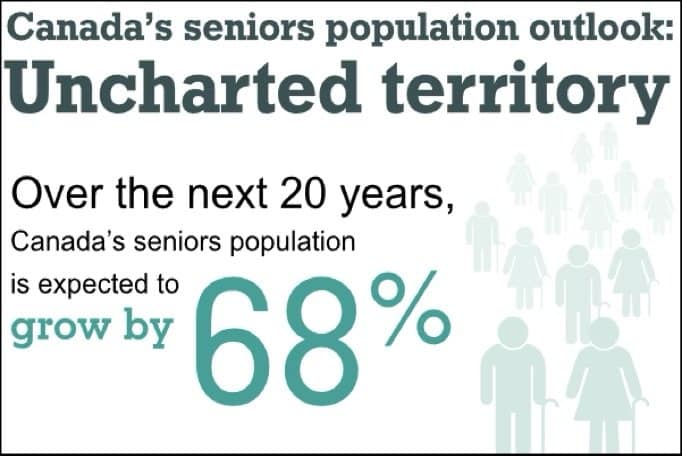
Source: Canadian Institute for Health Information
- Shortage of Professional Care Providers: There is a nationwide shortage of care providers; 80% of care providers have considered changing careers, citing low compensation, inadequate staffing, discrimination and lack of safety at work.
- Unpaid Caregivers: Currently, 1 in 4 Canadians is an unpaid caregiver, and 50% of Canadians will be caregivers at some point in their lives.
- Aging Population: Over the next 20 years, Canada’s senior’s population – aged 65 and older — is expected to grow by 68%. The seniors aged 75 and older — is growing at a faster pace. Canada is also facing lower fertility rates and socio-economic shifts that will decrease the availability of unpaid caregiver support.
- Perfect storm: By 2050, projections show there will be 30% fewer unpaid caregivers available to provide support to seniors in need. Caregivers are getting older, the number of available caregivers is shrinking, the number of Canadians requiring care is rising and care needs are becoming more challenging.
Financial Impact on Caregivers
While caregiving is often an act of love and duty, it comes with profound personal costs that extend beyond time and energy. The financial burden and emotional toll can significantly impact a caregiver’s present stability and long-term security—especially for women, who are disproportionately affected.

- Emotional and Financial Stress: Caregivers often work an “extra shift,” providing an average of 5.1 hours of care daily, which can lead to significant emotional and financial stress.
- Out-of-Pocket Expenses: 1 in 5 caregivers spend at least $1,000 per month on caregiving expenses, and 50% have experienced financial stress due to caregiving.
- Impact on Retirement: Women with high caregiving demands are 50% more likely to retire early, which affects their retirement income and savings. Women retire with 18% less retirement income than men on average. Even when care responsibilities end, lost earning years cannot be made up, leaving irreparable harm to caregivers’ savings, ability to invest for the future and retirement.
Planning For Care
As individuals and families plan for aging and future care needs, understanding the range of care options—and their associated costs and challenges—is essential. Whether choosing to age at home, move into a retirement community, or transition to a long-term care facility, each path comes with financial considerations, accessibility issues, and emotional implications.

- Home Care: While many prefer to age at home, this can be challenging and costly. Home modifications and private care services can add up quickly.
- Retirement Communities: These offer peace of mind with 24-hour assistance but come with significant costs. The median monthly cost for a one bedroom in the Waterloo region is approximately $4,500 – $6,100 per month for basic services with additional charges for assisted care.
- Long-Term Care Facilities: For those with complex care needs, long-term care facilities provide 24-hour nursing care. While the government covers all nursing and care expenses, residents in long-term care homes must pay a co-payment fee ranging from $2,000 to $2,900 per month. Currently, nearly 48,000 people are waiting for long-term care. In the Waterloo region, the median wait time for placement is 70 days for those receiving acute care in a hospital and 269 days for others . This can result in spouses being separated, as simultaneous admission is not guaranteed.
The Importance of Financial Planning
You have no way of knowing when your loved one might have a health problem and need assistance. By knowing the options, you can develop a plan that includes their preferences for various scenarios. It’s important to discuss later-life care options in advance to avoid making decisions under stress. It is never too soon to understand the risks, allocate assets to cover expenses and begin developing a plan now.
Key Takeaways
- Start Planning Early: Understand the risks and allocate assets to cover future expenses.
- Discuss Care Options: Have open conversations with family members about care preferences and responsibilities.
- Utilize Community Resources: Explore available services and support to ease the caregiving burden.
Being a caregiver can feel overwhelming, but you are not alone. The Marnoa Financial Planning team can help you create a comprehensive financial plan that considers both your retirement goals and the potential costs of caregiving. This proactive approach can protect your family’s future.
Please reach out to learn more.
Sincerely,
Tracy Andrade, CFP®, CIM®
Associate Wealth Advisor and Financial Planner
(519) 707-0050
[email protected]
marnoa.ca
1 Report: Caring in Canada – Canadian Centre for Caregiving Excellence
3 Infographic: Canada’s seniors population outlook: Uncharted territory | CIHI
5 Report: Caring in Canada – Canadian Centre for Caregiving Excellence
6 Report: Caring in Canada – Canadian Centre for Caregiving Excellence
7 Perspectives on Growing Older in Canada: The 2024 NIA Ageing in Canada Survey
8 Understanding the Gender Pension Gap (GPG)
9 CMHC – Seniors’ Housing Report – https://www.cmhc-schl.gc.ca/en/professionals/housing-markets-data-and-research/housing-data/data-tables/rental-market/seniors-housing-survey-data-tables
10 Paying for long-term care | ontario.ca
11 https://www.hqontario.ca/system-